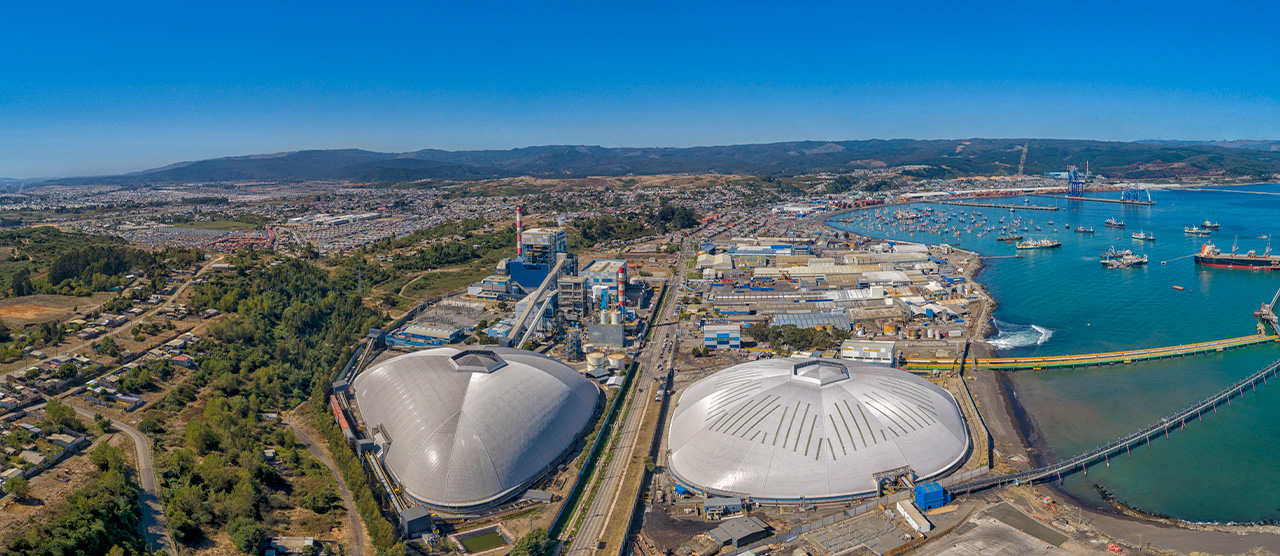

Bocamina: commitment fulfilled
The voluntary and definitive closure of the Bocamina power plant, 18 years ahead of schedule, not only marked a milestone in the decarbonization of our energy matrix but also set a precedent for continuing to promote a just energy transition in the country. This was done through close coordination with authorities and adherence to the guiding principles on business and human rights. It fulfills commitments made to workers, suppliers, and communities, including the permanent disconnection of the plant and the future safe dismantling process to protect people and the environment.



A milestone for Enel and for Chile
September 30, 2022, marked a historic milestone in Chile's shift to cleaner, more renewable energy sources. With the final shutdown of Bocamina II, Enel became the first company in the country to close all of its coal-fired power plants voluntarily.
This is the culmination of a process that began with the signing of the National Decarbonization Plan in June 2019, when Enel Chile and its subsidiaries voluntarily committed to the early closure of all their coal-fired power plants. On December 31, 2019, the coal unit at the Tarapacá power plant was disconnected, while Bocamina I closed on December 31, 2020.
In line with the company's goal of leading a fair energy transition, on May 27, 2020, the board of directors of Enel Generación announced its decision to bring forward the closure of its last coal-fired power plant, Bocamina II, by 18 years, with the approval of the National Energy Commission (CNE).
Along with shutting down all its coal-fired plants, Enel Chile and its subsidiaries have strengthened their position as the leading energy company in the country by expanding their renewable capacity through solar, wind, geothermal, and hydroelectric projects, as well as developing energy storage systems. The company's long-term goal is to reach carbon neutrality by 2040.
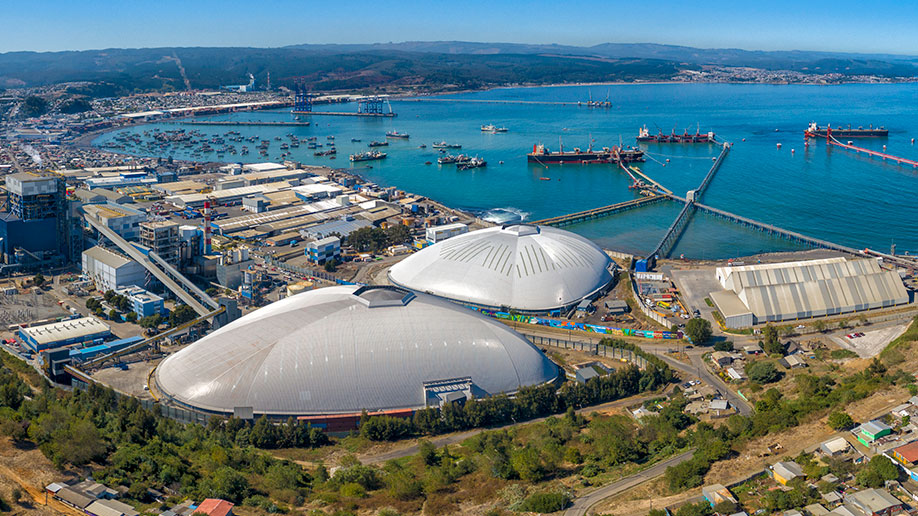
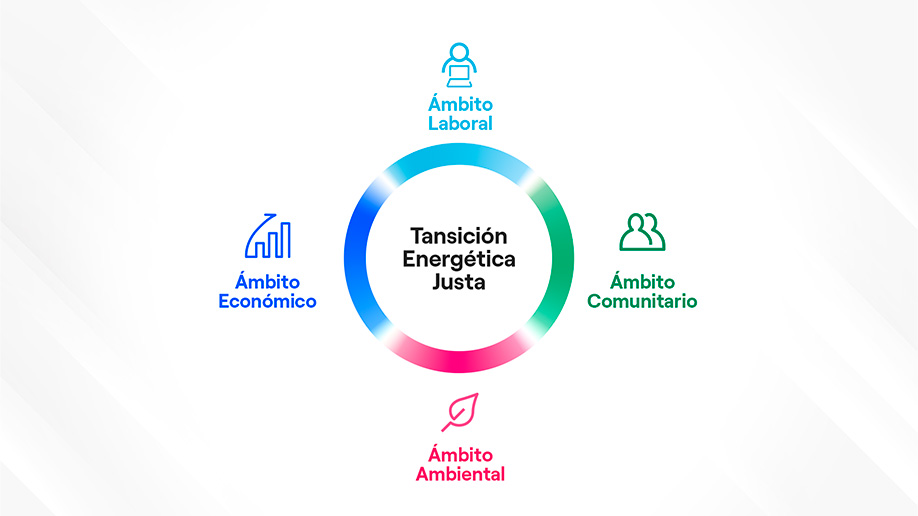

In accordance with the above, job retraining opportunities were provided to all 56 direct Enel employees at Bocamina II, enabling them to transfer to different business areas within the company, as well as offering job reintegration options for those choosing to pursue other professional paths.
Furthermore, the main contractors serving the Bocamina Power Plant participated in the Trade Retraining and Labor Skills Accreditation Programs. Through both initiatives, Enel Chile could work with a wide range of profiles and qualifications, either through Sence or directly via programs managed by the Company.
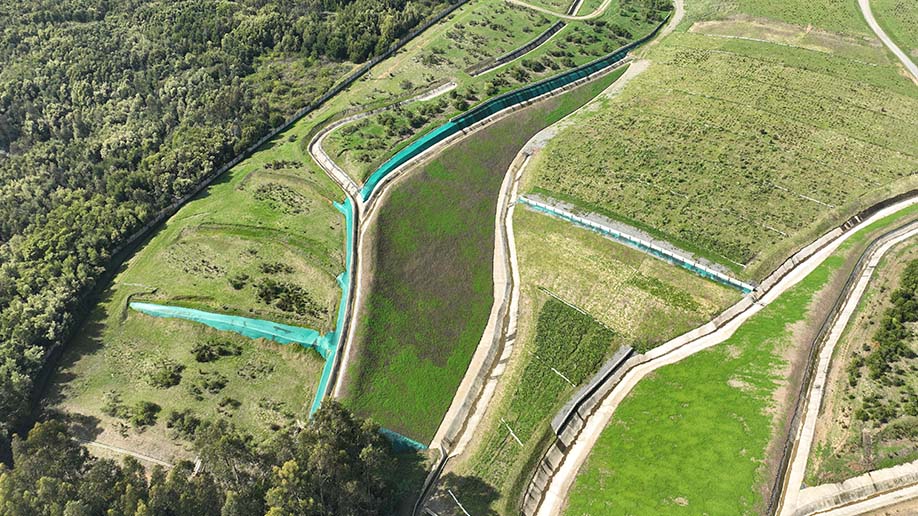
The technology used for soil waterproofing is essential. The project involves innovative techniques for preparing the revegetated soil, which includes filling materials arranged in five layers: geocells, geodrains, geomembranes, sediment fill, and substrates. This approach aims to cover the ash collected by the plant's operations and enable the planting of different native trees and shrubs on suitable materials.
This closure and transformation process was conducted in accordance with the relevant environmental and sectoral permits and is now in the monitoring phase, having received approval for closure from the health authority.